The West Point Ring Melt
For 25 years, the West Point Association of Graduates melted donated class rings inside our refinery to make the gold for the next senior class's rings. Here is how the ceremony worked.
Most of what comes through our door arrives in a sealed container from a jewelry store, a pawnshop or a trade shop. For 25 years, one lot each year arrived differently. It came with cadets, families and the West Point Association of Graduates, and it was made of class rings.
What the ceremony was
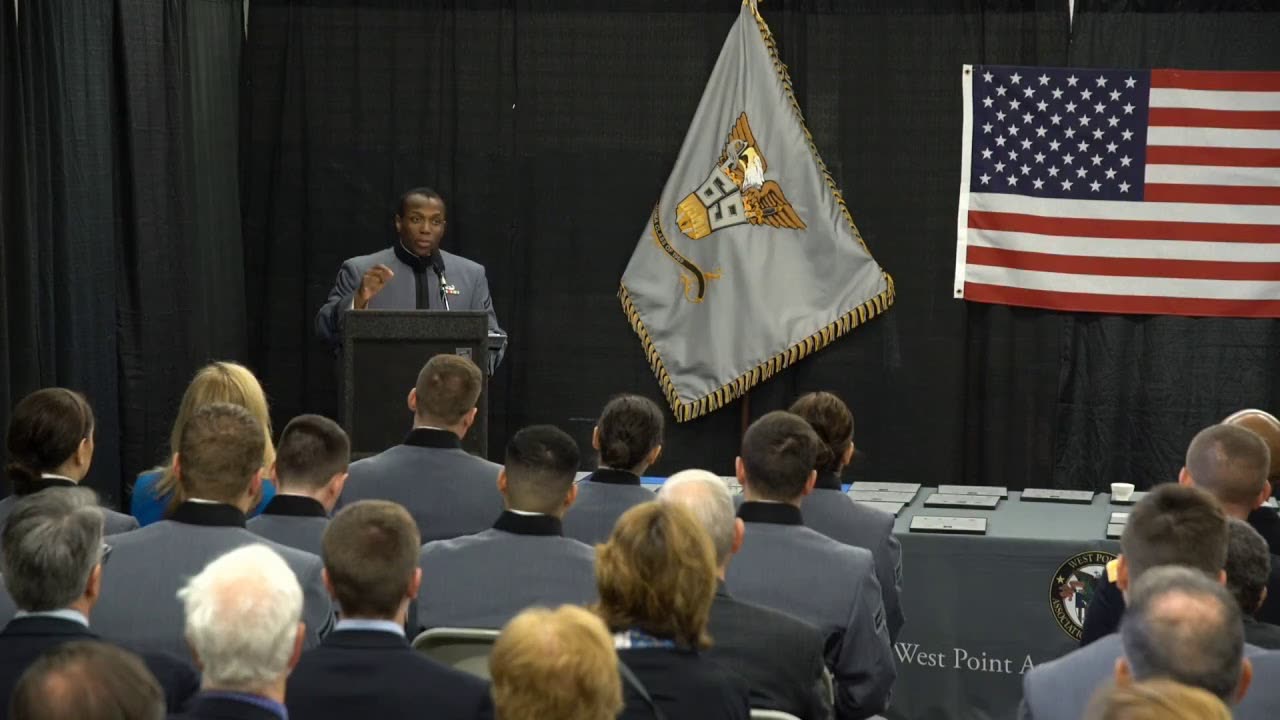
Every year, the West Point Association of Graduates held its Ring Melt Ceremony here, inside our refinery. Families donated the class rings of graduates, from classes as far back as 1896. We melted those rings into a single gold bar, and that gold went into the rings of the next senior class.
A class ring is not scrap to the family that brings it. It is often something a graduate wore every day. The ceremony gave families a way to pass that ring on instead of leaving it in a drawer, and it gave each new class a direct, physical link to the graduates who came before them.
Why every new ring holds the old ones
One detail sets the program apart from an ordinary melt. A sample from every melt was carried into the next one. The gold poured one year included a portion of the gold poured the year before, which in turn included a portion from the year before that.
So each new class ring holds gold from every ring melted before it. A cadet who receives a ring carries a small share of every graduate whose ring was donated, back to the earliest classes in the program.
The questions behind any melt
At the Ring Melt, the melt had an audience. A commercial lot does not come with an audience, but the questions a family might ask at a ceremony like that are the same ones a jeweler or pawnbroker should ask any refiner. Is my material kept separate? Is the sample a fair picture of the whole lot? Does anything get left behind?
Here is how we answer them for every customer lot:
- Your lot is processed alone, never mixed with another job.
- Every melt gets its own clean crucible.
- The melt is made homogeneous before the sample is drawn, so one sample represents the entire lot.
- Your settlement is based on fire assay of that sample. An X-ray reads only the surface; fire assay measures what is inside.
- After the melt, the crucible is cleaned and whatever metal comes out is paid to you.
You can read more about each step on our process page and our refining page.
Watch the 2016 ceremony
We have a short film of the 2016 Ring Melt at Pease & Curren. You can watch it on YouTube, or from the West Point section of our About page.
A family business, trusted with family rings
Kip Curren's grandfather opened the doors in 1916, refining for the jewelry trade. Ownership has never left the family. That a program built on graduates' own rings came to this refinery year after year is something we do not take lightly. It is the same care we owe the first lot a new customer sends us.